Înapoi la știri
Six years after COVID-19’s global alarm: Is the world better prepared for the next pandemic? - World Health Organization (WHO)
1 oră în urmă
5 minute min
Ion Ionescu
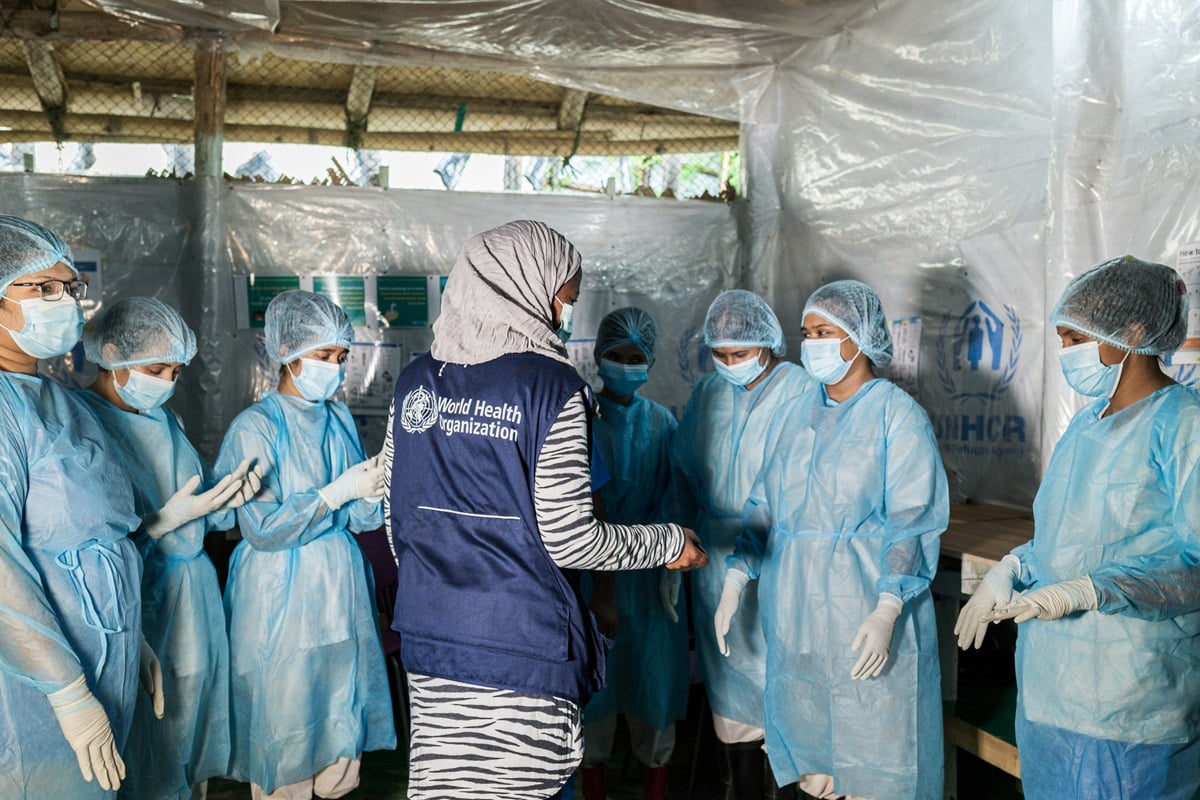
Six years ago, the Director-General of the World Health Organization sounded the highest global alarm available under international law at the time, declaring the outbreak of a new coronavirus disease (later known as COVID-19) a Public Health Emergency of International Concern (PHEIC). While the PHEIC was declared over in May 2023, the impact of COVID-19 remains etched in our collective memory – and continues to be felt worldwide. As we cross this six-year mark, WHO asks countries and partners, just as we ask ourselves: Is the world better prepared for the next pandemic? Yes, in many ways, the world is better prepared because meaningful, concrete steps have been taken to strengthen preparedness. However, at the same time, no, because the progress made is fragile and uneven, and more still needs to be done to keep humanity safe. “The pandemic taught all of us many lessons – especially that global threats demand a global response,” WHO Director-General Dr Tedros Adhanom Ghebreyesus told today’s opening of the 158th session of the Executive Board. “Solidarity is the best immunity.” Applying lessons learned from COVID-19, WHO, Member States, and partners have delivered significant advances in pandemic preparedness, prevention and response, including: Other work, which predated the pandemic, continues to strengthen pandemic preparedness, prevention and response: These are remarkable achievements, reflecting a shared global commitment to work together across national borders, across sectors to never again face a pandemic unprepared and leave anyone behind. WHO Member States have taken decisions that have strengthened the world’s ability not only to respond more rapidly and to mitigate the impact of future pandemics but also to prevent them in the first place. Recent Ebola and Marburg outbreak responses show this progress clearly at national levels with support from WHO. Ebola, a disease that once had no vaccines, no rapid diagnostics, and limited treatment options – leading to catastrophic loss of life in West Africa 10 years ago – has since been transformed. The most recent outbreaks of Ebola in the Democratic Republic of the Congo and Marburg, in Rwanda, Tanzania and Ethiopia, were contained in a fraction of the time, with limited spread and lower case fatality rates. The responses to these outbreaks were led by national institutions, supported by WHO. The past years have brought profound turbulence to global health. Funding continues to shift away from health toward defence and national security – placing at risk the very systems that were strengthened during COVID-19 to protect countries from future pandemics. This is shortsighted. Pandemics are national security threats. Investing in preparedness is an investment in: WHO urges all governments, partners and stakeholders: do not drop the ball on pandemic preparedness and prevention. This week’s WHO Executive Board meeting will be a pivotal moment in this journey, as governments set the course for designing the future of collaboration, accountability and efficiency in who does what in global health. Pathogens don’t respect borders. No country can prevent or manage a pandemic alone. Global health security requires collaboration across sectors, across governments, and across regions. WHO remains committed to working with all countries to strengthen preparedness, accelerate innovation and uphold solidarity. We will continue supporting Member States as they finalize their historic effort to forge a global compact for a world that is safer from pandemics. Preparedness requires continuous vigilance. The time to prepare is now – before the next pandemic strikes.